
Soil is the foundation that underpins every successful farm. My own journey into regenerative agriculture truly began the moment I looked down a microscope and saw, with my own eyes, the life within the soil.
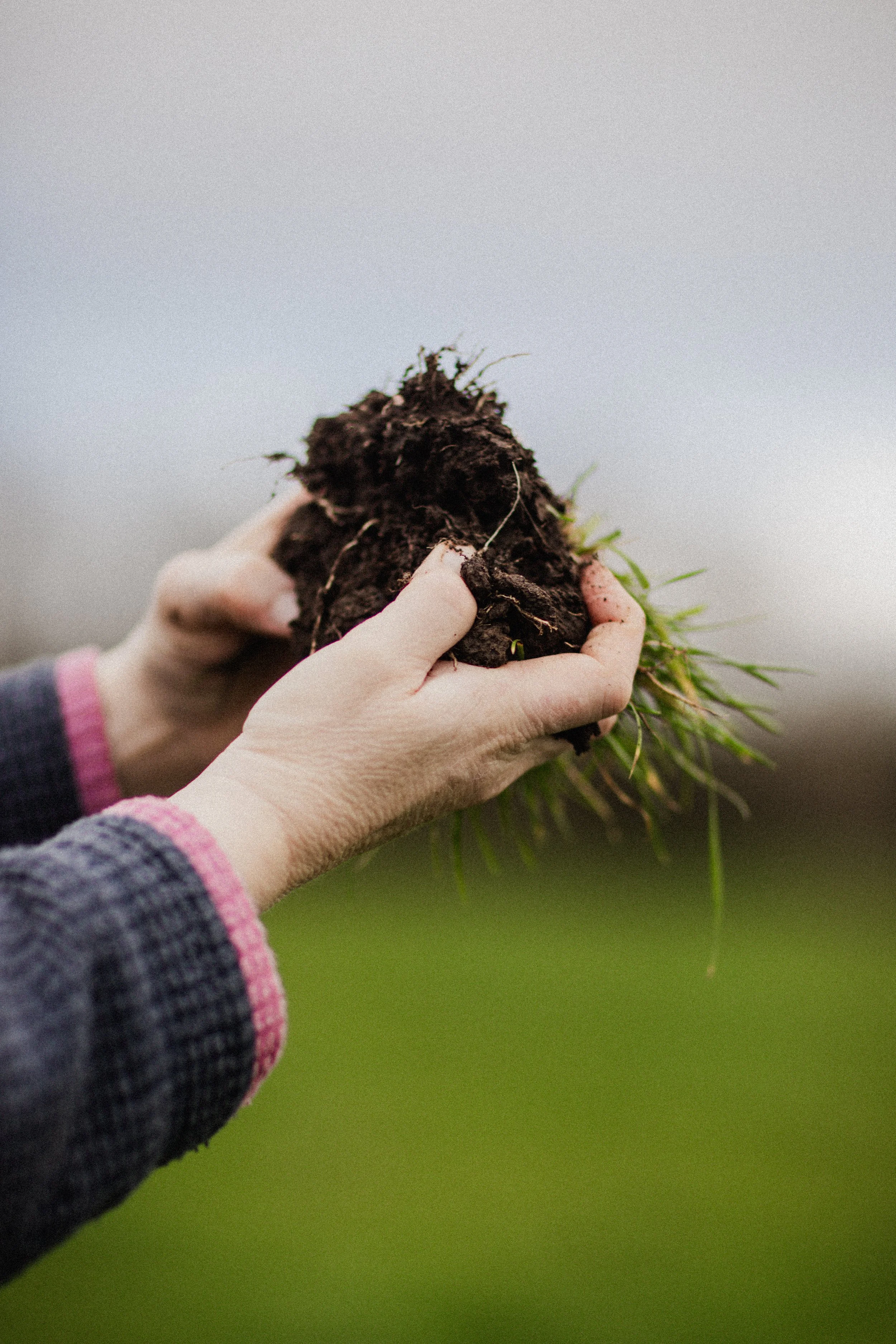
There are many excellent books exploring soil and the soil food web, but you don’t need to fully understand every detail to appreciate its complexity. Simply recognising that something extraordinary is happening beneath our feet can be enough to change the way we farm—shifting from intervention to stewardship, and learning not to disrupt these natural processes.
Soil: The foundation of the farm.
The Three Pillars of Soil Health
Soil scientists often describe soil using the concept of a “three-legged stool,” made up of:
Physical structure
Chemical composition
Biological life
For soil to function effectively, all three must be in balance. Importantly, these elements don’t exist in isolation—they interact continuously, influencing and supporting one another.
From Dirt to Living Soil
Conventional chemical agriculture often treats soil as an inert medium—something to hold plants while artificial nutrients are added. In this system, biology is largely overlooked, except when identifying pathogens.
In contrast, regenerative thinking recognises that soil is alive. Without active biology, it is simply “dirt.” True soil, as described by many regenerative farmers, is a living system rich in organisms and interactions.

A Living Ecosystem Beneath Our Feet
Healthy soil is teeming with life. It contains a complex food web of:
Bacteria
Fungi
Protozoa
Nematodes
And countless other organisms
Good soil structure includes spaces and pores that allow air and water to move freely, enabling the soil to act like a sponge—absorbing, storing, and releasing water as needed.
“If you look at a field of cattle grazing on a healthy pasture the weight of the life under the soil is more than the weight of the cattle grazing above.”
Nature’s Invisible Workforce
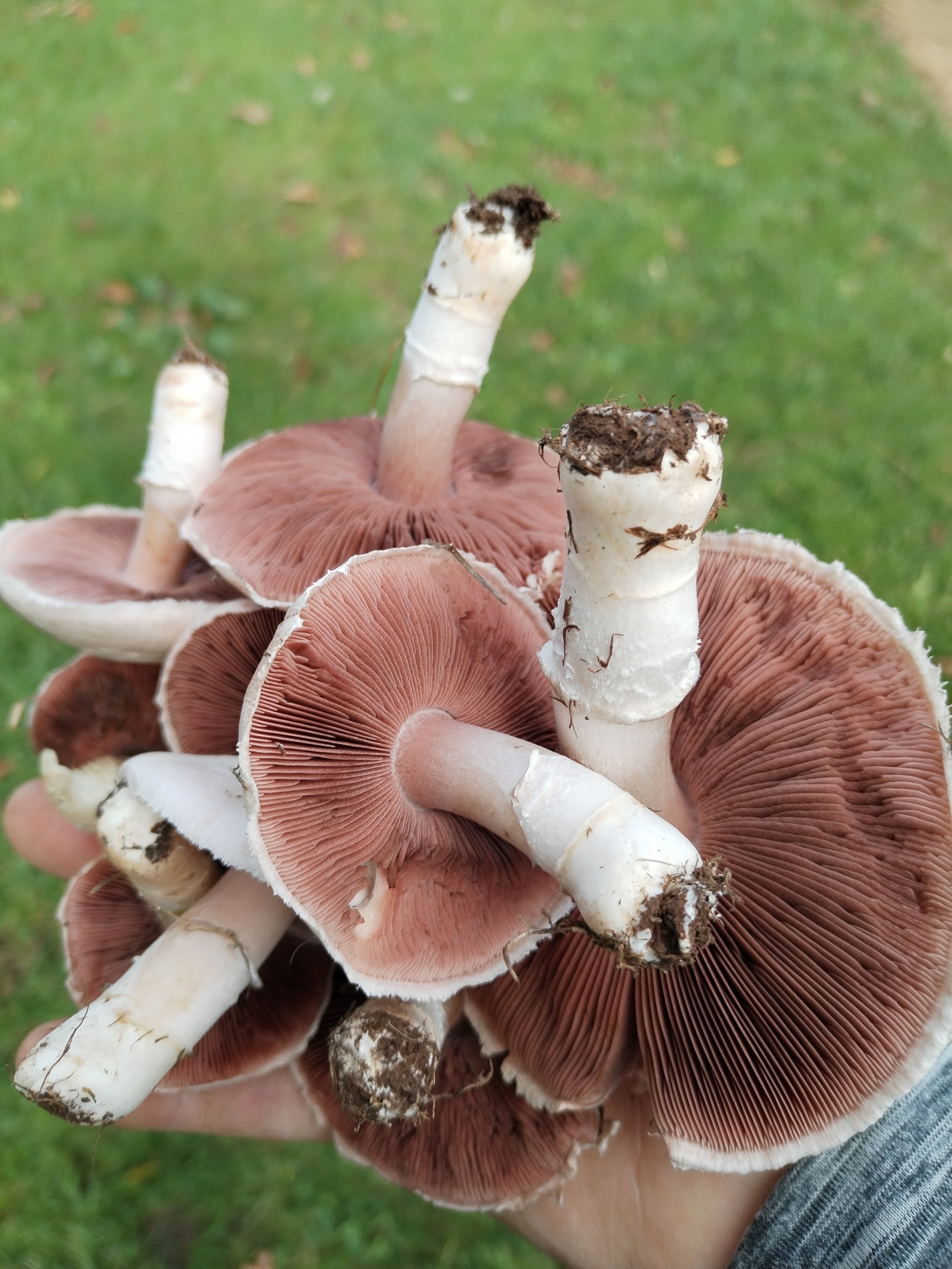
The organisms within soil perform essential functions:
Building structure: Bacteria and fungi produce glues and secretions that bind soil particles together.
Unlocking nutrients: Microbes access minerals that would otherwise remain unavailable to plants.
Supporting plant growth: Plants feed soil life through root exudates—sometimes giving up to 70% of the sugars they produce through photosynthesis in exchange for nutrients.
This is not a simple system—it’s a highly evolved partnership.
A Deeply Connected System
Microbial life predates more complex organisms, and over time, plants and animals have evolved in close relationship with these microbes. These interactions are incredibly intricate, and science is only just beginning to uncover their full extent.
For example, research into the “seed biome” reveals that seeds carry vast communities of microbes. These organisms play a role in germination, plant development, and even the transfer of biology from one generation to the next.
Embracing Complexity
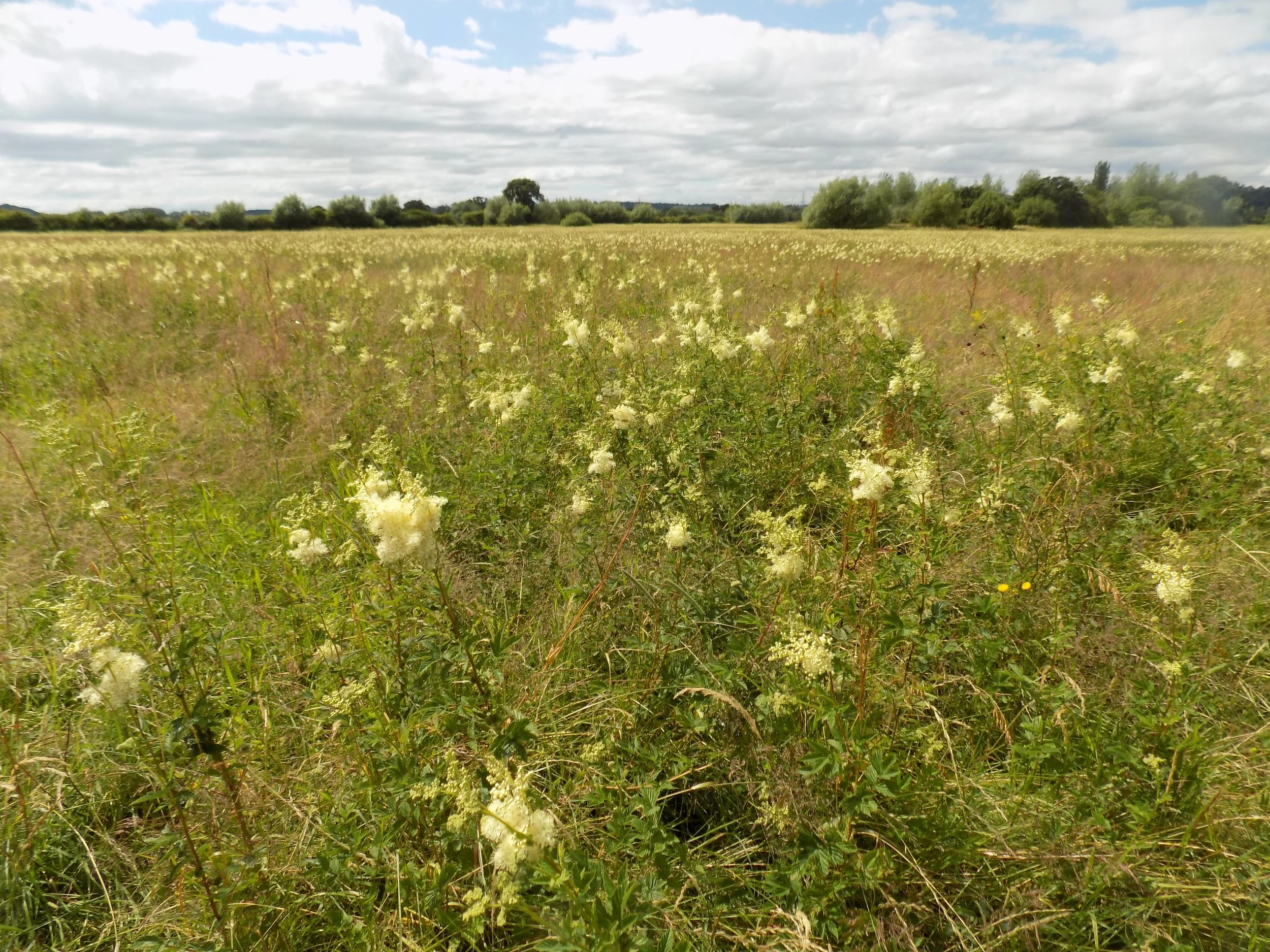
The more we learn about soil, the more we realise how much remains unknown. The complexity of these interactions can be mind-blowing—but understanding every detail isn’t necessary.
What matters is recognising that soil is alive, and that our role as farmers is to support, not disrupt, the natural systems already at work.